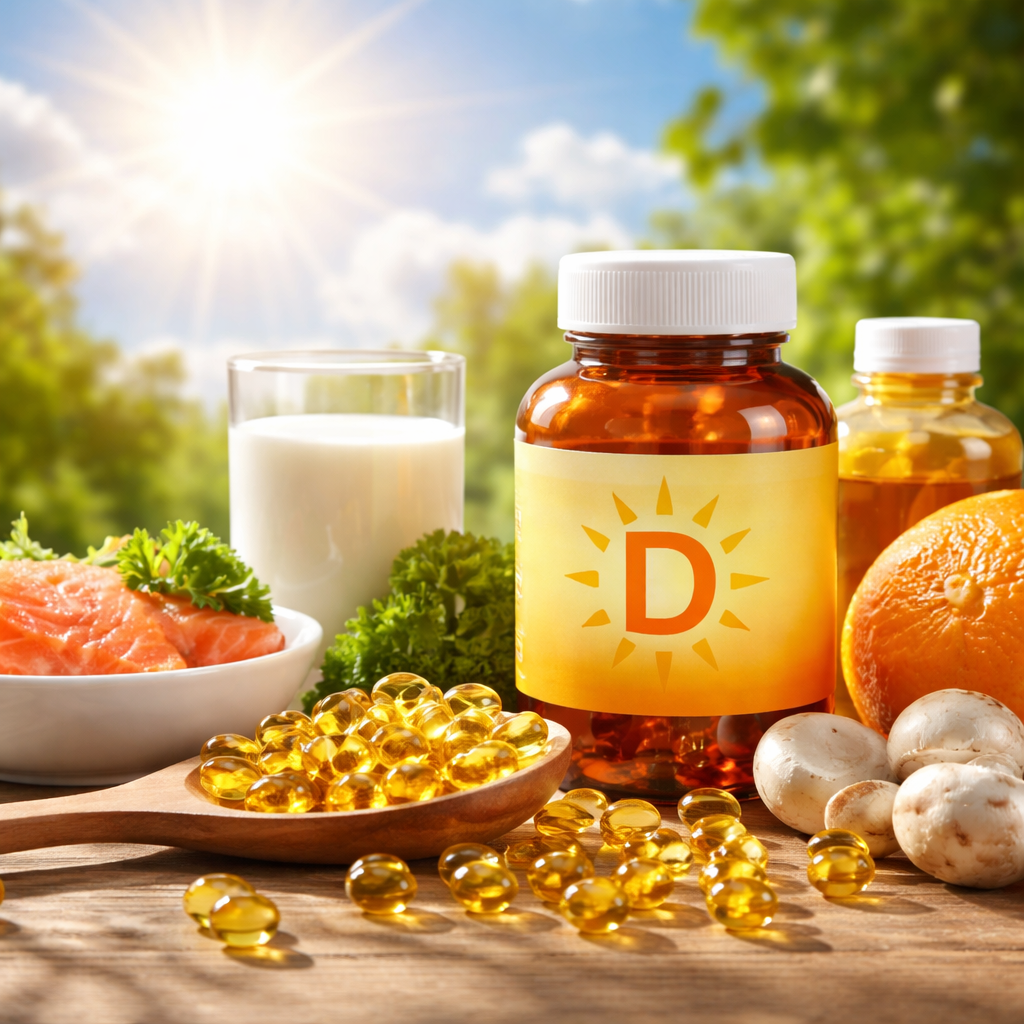
Why Almost Everyone Is Vitamin D Deficient (And What Actually Works)
Most people really are low in vitamin D. The reasons have nothing to do with moral failure or weak willpower. The “right amount” depends on age, body fat, sun exposure, health status, and how broken your metabolism already is. Vitamin D can be helpful, boring, or harmful depending on how casually you treat it. As with most things in health, the danger lies not in deficiency or supplementation. The danger is oversimplification.
Vitamin D is technically a hormone, not a vitamin in the classic sense. Your body produces it when ultraviolet B light hits your skin, converting cholesterol into vitamin D3. That alone should tell you something important. This is not kale dust. This is a system that evolved when humans spent most of their time outdoors, half-naked by modern standards, not under fluorescent lights and SPF 50.

When Your Body Throws a Fit After Lunch: Understanding Postprandial Metabolism
Ever feel like you need a nap after lunch? That’s not age, it’s your metabolism fighting for its life. In this deep dive into postprandial metabolism, we break down what happens after you eat, why you feel like hell afterward, and how to fix it without giving up everything you love.

Stop Counting Calories and Start Paying Attention: The Boomer’s Guide to Intuitive Eating
You’ve spent decades counting carbs, cutting fat, and feeling guilty for eating a damn cookie. Intuitive eating isn’t some new-age nonsense; it’s just learning to trust your body again. Forget the diet rules. Start paying attention to what actually makes you feel good.